
OIL RECYCLING PROJECT PROCEDURE
We specialize in the collection, treatment, and recycling of used oils for industries, businesses, and communities. Through safe, efficient, and eco-friendly processes, we help reduce pollution and promote responsible waste management.
Who are we
WIREN is a forward-thinking company providing sustainable oil recycling solutions. We collect, treat, and recycle used oil—turning waste into valuable resources while reducing environmental impact. Our mission is to deliver safe, efficient, and eco-friendly waste management solutions for industries, businesses, and communities.
With a strong focus on quality, compliance, and sustainability, WIREN follows reliable recycling processes that meet industry standards. We deliver solutions that protect the environment while creating value for our clients—building a cleaner, greener future.
Our Mission
To provide sustainable and efficient oil recycling solutions that reduce environmental impact, promote resource conservation, and support the mining industry’s commitment to responsible production. We strive to reclaim used oil into high-quality base oil and diesel, ensuring the longevity of natural resources and contributing to a circular economy.
Our Vision
To be a leading innovator in industrial oil recycling, setting the standard for sustainable practices in the mining sector. We envision a future where every drop of used oil is transformed into valuable resources, fostering environmental stewardship and advancing eco-friendly industrial operations.
RECYCLINGPROCESS
TRANSFORMER SAMPLING
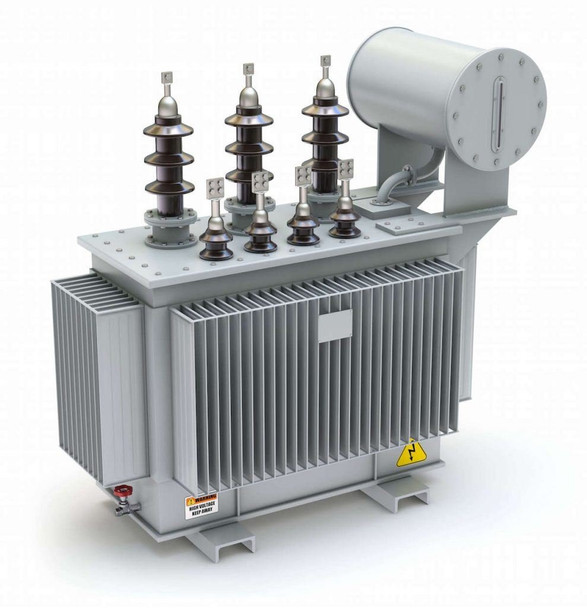
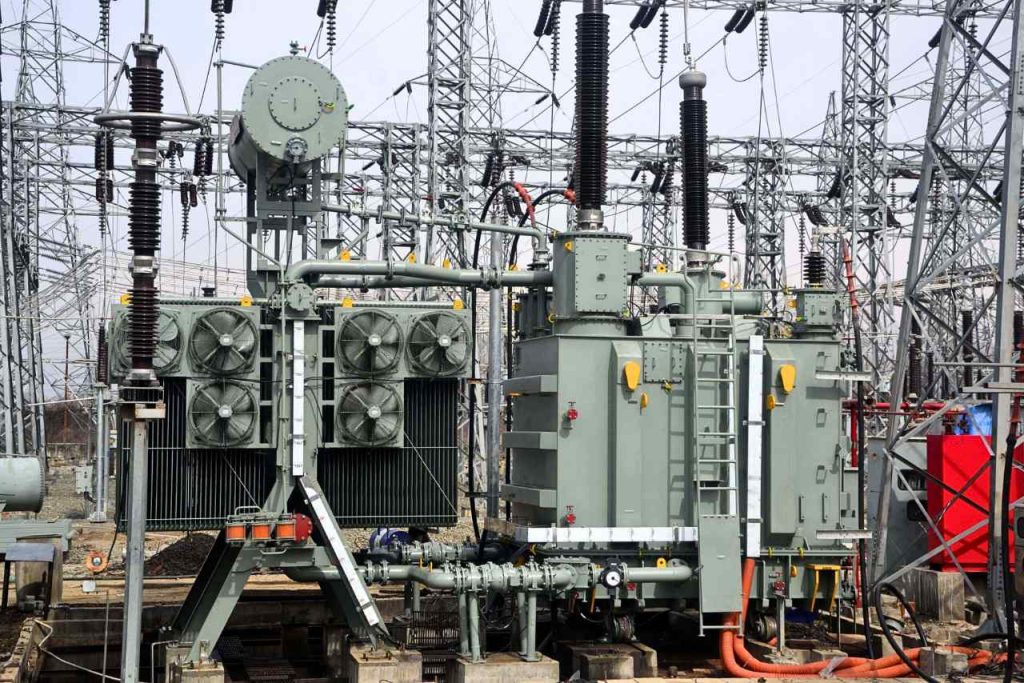
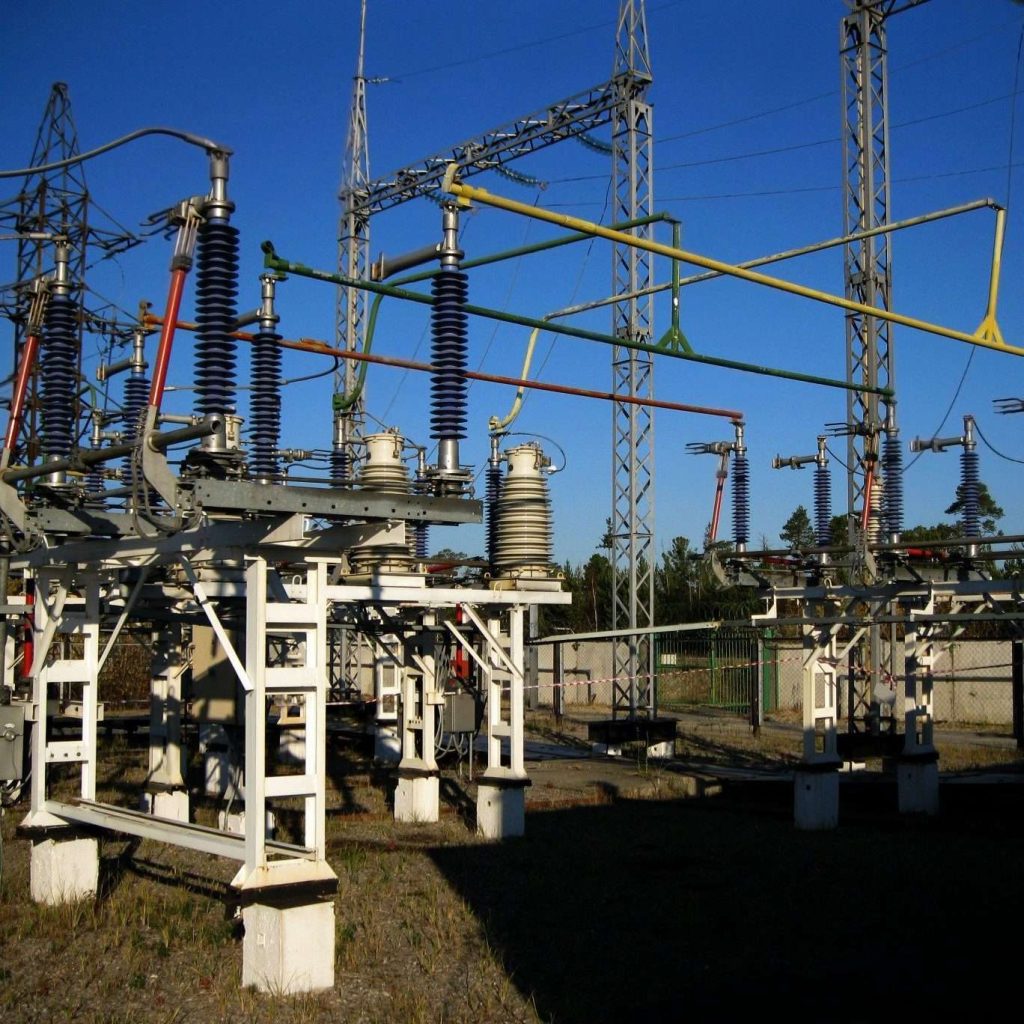
Effective transformer oil analysis depends on high-quality, consistent sampling. Samples should be taken from a clearly labeled point where oil is active, using the same location each time for accurate results. Regular oil analysis helps detect early issues, prevent unexpected outages, and assess the condition of equipment, oil, and insulation. It is essential for maintaining critical oil-filled electrical equipment such as transformers, circuit breakers, and voltage regulators.
TRANSFORMER PURIFICATION
Simply means check / monitoring health of the equipment.
Benefits:
– Reliability
– Cost efficient
– Removal of unwanted parts
– Knowing the real safety risks ahead (air conditioning, analysis) Reliability
– Equipment will run for long without being on breakdown.
Cost efficiency:
– Knowing before failure
– Reduced in oil change
– Reduced in introduction of foreign materials
Analysis:
– Determining condition of the equipment
– Acidity, moisture, strength, power, interfacial, dissolved gases, polymerization and
other pollutants.
Contact Us
Office
Sea Cliff Village, 10 Toure Drive – Masaki, Dar es Salaam
Factory
No. 9, Kilimanjaro Special Economic Zone, Mwasonga – Kigamboni